

A stepwise review of Multi Gas Detector For Confined Space for teams working through system compatibility shortlisting
Shortlisting a multi gas detector for confined space is not only a product comparison exercise. Operations teams also need to understand how the proposed device would fit the wider detection process, information flow, maintenance arrangements, and purchasing responsibility. A disciplined review separates what a product page states from what the team still needs to define.

1. Describe the operating context before comparing models
Begin with the work context rather than a preferred model. Record who will use the detector, where it will be carried, what information must be available during an inspection, and which team owns routine checks, records, and procurement. These questions create a common scope for operations, engineering, maintenance, and purchasing staff.
System compatibility can mean different things to different stakeholders. For an engineer, it may concern the relationship between a portable instrument and an existing monitoring arrangement. For a maintenance planner, it may concern access to the equipment, handling of alarms, or the information required for ongoing service decisions. For procurement, it may concern whether the quoted configuration matches the stated requirement.
Keep these interpretations separate. A buyer should not treat a general category description as proof that a particular model fits every operating arrangement. Instead, turn each interpretation into a requirement or an open question. This makes the eventual comparison easier to review and reduces the risk of quietly assuming an interface, function, or responsibility that has not been stated.
2. Map compatibility and responsibility questions
Once the context is recorded, build a simple compatibility table. Useful columns include the operational requirement, the evidence available, the person responsible for confirming it, and the status of the question. The table can cover the instrument itself, the intended users, handling arrangements, documentation, maintenance ownership, and any connection with other systems.
Use neutral wording for unresolved points. For example, “configuration to be defined” is more useful than assuming that all versions share the same features. Similarly, “responsible party to be assigned” keeps a procurement discussion open without presenting an unconfirmed workflow as an established fact.
This approach also helps separate product facts from implementation decisions. A page may describe a detector’s listed functions, while the operations team must still decide how those functions relate to its own work instructions and responsibilities. Those are different questions and should remain different rows in the review.
3. Use page-level evidence without extending its scope
In the middle of the review, return to the exact source page and capture only details that apply to the named model. The phrase multi gas detector for confined space can describe the subject of the search, but it does not by itself establish a model’s certification, site suitability, safety outcome, or complete configuration.
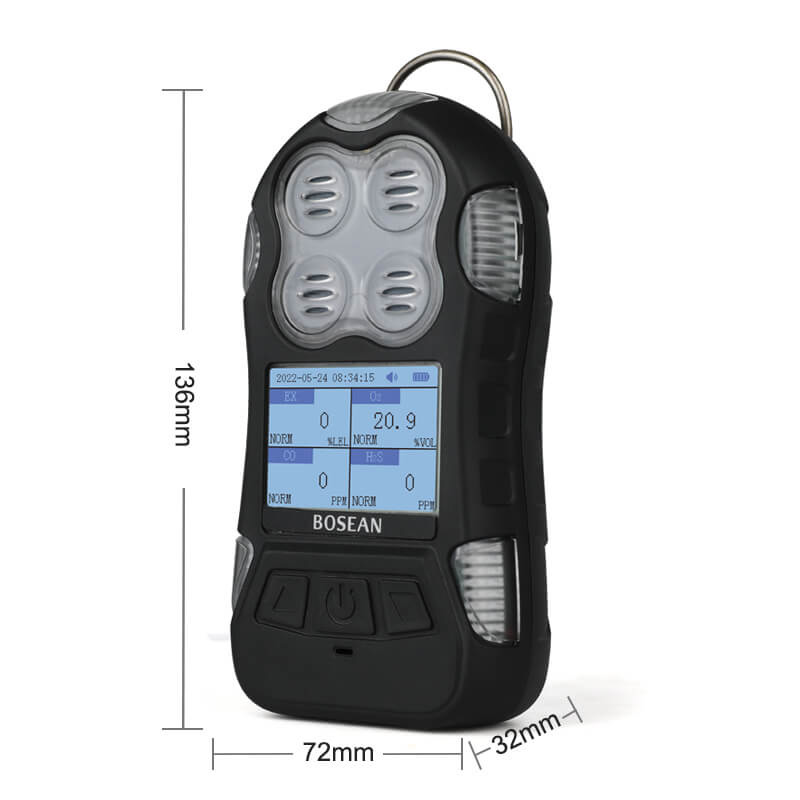
A concrete page-level anchor is the Bosean K-40 page. It names the K-40 4 in 1 Multi Gas Detector, and its feature and specifications material lists natural diffusion, sound, vibration, light, and display alarms, together with IP66. These are catalogue details attributed to that page. They should be recorded as stated, without turning them into a broader claim about confined-space use or an assurance about operating results.
For a sourcing team, the value of this distinction is practical. Each captured detail can be placed beside the requirement it may inform, while the claim boundary remains visible. If a requirement concerns an item not stated on the page, leave that requirement as an open procurement question rather than filling the gap with an assumption.
4. Plan the next technical discussion
A useful technical discussion should follow the evidence map. Start with the intended operating context, then review the exact model and its stated features, and finally discuss interfaces, responsibilities, and unresolved configuration points. This sequence prevents a general product label from carrying more meaning than the available evidence supports.
Prepare questions that invite precise answers. These might address which configuration is being considered, which listed features apply to that configuration, what documentation accompanies the quotation, and who will own the resulting technical decisions. The questions are a planning tool, not evidence that a supplier has made a particular commitment.
It is also useful to preserve the source location for every captured detail. A short note such as the page heading, feature section, or specifications table gives later reviewers a clear trail back to the stated information. Keep model-specific details attached to the model, rather than transferring them to a wider product category or to another detector.
5. Make the shortlist decision traceable
Before a shortlist is circulated, check that every comparison point has one of three statuses: supported by the cited page, defined as an internal requirement, or still unresolved. This simple classification helps operations teams see whether they are comparing evidence, setting policy, or identifying a question for the next discussion.
The final record should also explain why a candidate remains under consideration in terms that match the evidence. Avoid broad conclusions such as universal suitability or guaranteed protection. A more defensible record states which listed details were relevant, which compatibility questions remain open, and which team owns the next decision.
For teams reviewing equipment through this method, Bosean can be treated as the source of the cited K-40 page details, while the shortlist itself remains an operational and technical decision. Keeping the brand reference, model evidence, responsibility map, and unresolved requirements distinct gives the review a clearer basis for the next procurement conversation.
