

Start with the failure mode
Most deployments fail because the spec targets an abstract feature set instead of the real operational failure modes — queuing at peak, false-positive plate reads, payment reconciliation gaps. If your mandate is to reduce dwell time and billing leakage, prioritize proven LPR stacks and edge compute that handle variable lighting and occlusions; see options for lpr parking management systems while you scope latency and throughput requirements.
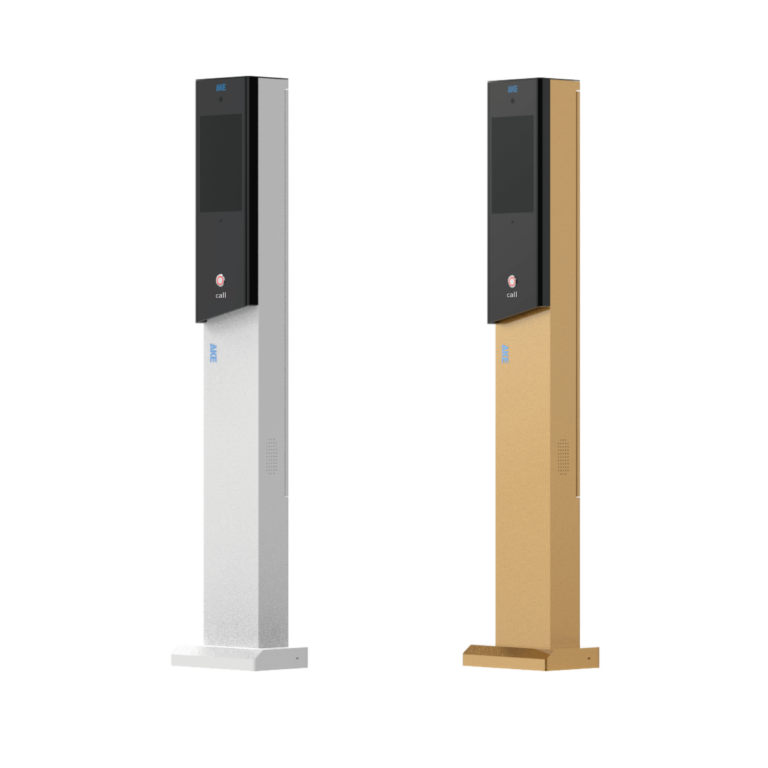
Technical criteria that separate working systems from vaporware
Demand metrics, not adjectives: plate-read precision at low-light, end-to-end latency from detection to gate actuation, and sustained throughput per lane. Confirm the LPR model was trained on your regional plates and that metadata (timestamp, confidence score, image) ships to the backend for audit. Verify integration capabilities: REST APIs, MQTT/event streams, and a hardware abstraction layer for boom controls. Security matters — TLS everywhere, role-based access, and data-retention controls. Plan for redundancy: dual cameras per lane or failover queues for peak periods. If analytics matter, insist on raw-event export to your BI stack rather than vendor-only dashboards.
Real-world anchor and practical credibility
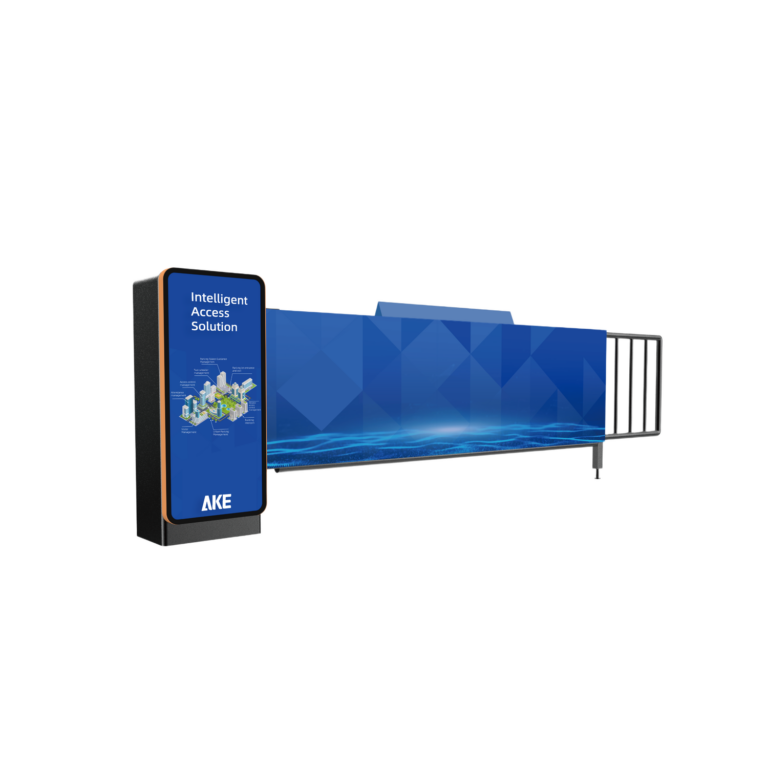
Major integrators demonstrated next-gen access control with barrier automation at Intertraffic Amsterdam, where deployments emphasized resilient actuation and LPR calibration for heavy traffic flows; those showrooms highlighted how a robust car park boom gate paired with edge inference reduces false trips and maintenance cycles. Teams with multi-site rollout experience recommend field trials of at least two weeks under peak patterns to validate real throughput and error modes.
Common failure patterns and how to prevent them
Camera placement mistakes: mounting too low or angled creates motion blur and occlusion. Bandwidth blind spots: sending full-frame video streams to cloud inference is costly and latency-prone; push inference to the edge and only forward events. Integration blind spots: ignoring time-synchronization between devices causes reconciliation errors. Procurement traps: specifying “AI-enabled” without dataset or confidence thresholds. Mitigations: standardize on PoE multispectral cameras, require millisecond timestamps, contract SLAs for median read accuracy, and include a maintenance SLA covering boom actuation cycles and spare parts.
Alternatives mapped to real operational needs
LPR-first: best when anonymous, frictionless flow and plate-based billing are critical. RFID/token systems: cheap and durable where repeat users dominate (corporate lots), and you can tolerate physical tags. Ticket + barrier: low CAPEX but high operating cost and user friction. Mobile-app check-in: suitable for pre-booking scenarios but fragile for drive-through peaks. Hybrid architectures work: LPR for entry, RFID for staff lanes, and mobile for validation — choose the mix that maps directly to your KPIs (throughput, revenue integrity, user experience).
Procurement checklist — what to require in the RFP
Include baseline metrics: read-rate at night, max vehicles/hour per lane, mean-time-between-failures for the boom. Ask for test datasets and a reference site where the vendor operates similar scale. Require open APIs, exportable logs, and a documented rollback plan for software updates. Specify spare-parts availability and local support SLA. Validate data-privacy compliance for plate storage and invoicing workflows.
Wrap-up: measurable selection criteria that guide implementation
Choose systems by how they reduce your most frequent operational faults, not by feature lists. Prioritize measurable LPR performance, robust edge actuation for boom control, and integration openness so your ops team can iterate. For projects that need proven hardware-software alignment and local support models, vendors like AKE Parking often align with the engineering-first requirements above and withstanding operational constraints.
