

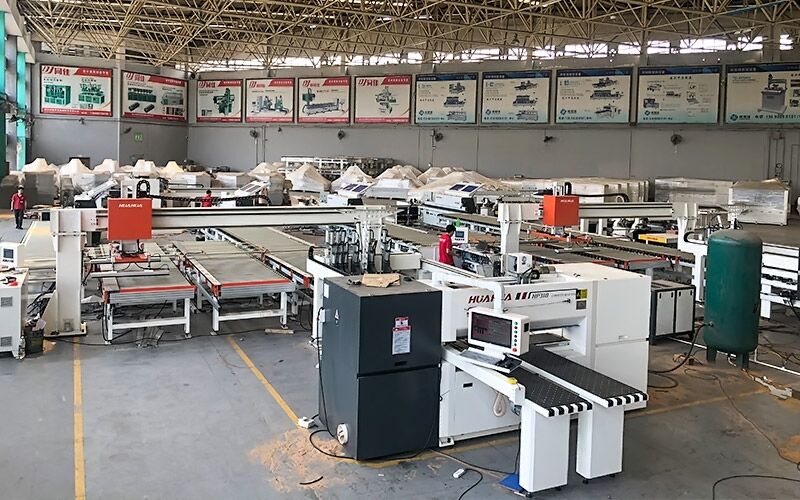
Opening the Problem
Small furniture shops hit a sour note when production stutters: missed deliveries, wasted panels, frantic rework. The core problem isn’t glamour—it’s control. Machines that can’t adapt to odd jobs, shifting batch sizes, or slightly warped boards force shops to slow down. A well-tuned cnc furniture machine plays a different melody; it accepts variety, repeats with precision, and saves the day when schedules tighten. The question is simple: how do you bring that level of musical precision to neighborhood workshops without blowing budgets or patience?

Why this problem keeps happening
Workshops run on small runs and big expectations. Legacy drives trip over quick changeovers. Operators know tricks, but tricks can’t replace consistent motion control. Parts fit one day and fail the next because the drive couldn’t compensate for feed changes or tool wear. That unpredictability kills margins. You need a technical fix that feels like an instrument—responsive, expressive, reliable.
How servo-driven machines solve the rhythm
Servos give you responsive motion. They accelerate cleanly, hold position when cutting delicate joinery, and recover quickly after a tool change. That means fewer rejects and steadier takt time for mixed batches. For a furniture shop swapping veneers, edge profiles, and pocket cuts, servo control reduces the fiddly manual adjustments and lets the machine behave like a dependable player—subtle, exact, and repeatable.
Real-world anchor: a market telling the same song
At Salone del Mobile, conversations about automation weren’t abstract — makers showed practical setups that balanced craft and flow. The push toward smarter workflows is visible when designers and fabricators demo panels cut precisely and consistently; it’s a clear sign the industry values practical CNC solutions for panel work and cnc furniture making. That shows the problem and the solution coexist on the same floor: demand for variety plus a hunger for predictable output.

Alternatives and the trade-offs
Stepper motors are cheaper but get noisy under load and lose steps when you push torque. Pneumatics are fast for simple moves but can’t hold a profile during a fine cut. Open-loop systems save cash up front yet add rework costs later. If you compare them, servos sit between affordability and professional repeatability—higher initial cost, but measurable savings in reject rates and setup time.
Common mistakes that ruin the tune
People buy a servo and expect magic. They skip proper tuning, mismatch gear ratios, or ignore cable routing and grounding. The result: oscillation, heat, unexpected shutdowns. Training gets short shrift, too—an experienced operator and a tuned servo system are a duet. Fix those errors: match motor sizing to real cutting loads, set sensible acceleration limits, and verify feedback loops with simple test cuts. Small checks save hours on the floor.
Practical steps for workshops
Start with load analysis: measure real-cut forces, not optimistic estimates. Choose motors with some headroom, not maximum spec. Insist on closed-loop feedback and a control interface operators can read at a glance. Schedule preventive checks: belt tension, encoder cleanliness, connection integrity. And teach one reliable setup to everyone—repeatability comes from shared habits as much as from hardware.
Closing chord
Servo-driven machines resolve the tension between craft and throughput by making motion honest and predictable. When workshops stop guessing and start relying on consistent motion, supply chains tighten and customers get what they expect. That balance — precision without pretense — is what sensible automation delivers for small makers, a quiet instrument that keeps the whole workshop in tune with demand and quality, a harmony you can find in solutions from HUAHUA CNC.
