

Introduction: A Shop-Floor Scene, a Metric, and a Question
I remember a foggy Tuesday in March 2020 when a whole production line stalled because a prototype batch warped after cure — everyone waited while I pried parts off the build platform and inspected support structures. An industrial SLA 3d printer sat in the corner doing the heavy lifting for week-long runs (resin viscosity was higher than we expected, which changed cure profiles). Data mattered: a single failed build that morning cost us roughly $4,200 in delayed shipments and extra labor. So I asked myself — how do we go beyond brittle prototypes and make consistent, predictable parts every shift?
I’ve spent over 15 years in B2B manufacturing and supply chain, and I write from shop-level experience: hands-on tests, late-night troubleshooting, and client rollouts in Shenzhen and Rotterdam. I’ll outline practical moves you can make — from machine settings to floor-level organization — to reduce scrap and keep lead times under control. That said, I’m not selling an idea; I’m sharing what I’ve seen change outcomes on the floor. Next, I examine where traditional workflows break down and what that really costs you.
Where Traditional Workflows Fall Short: The Real Costs of Old Habits
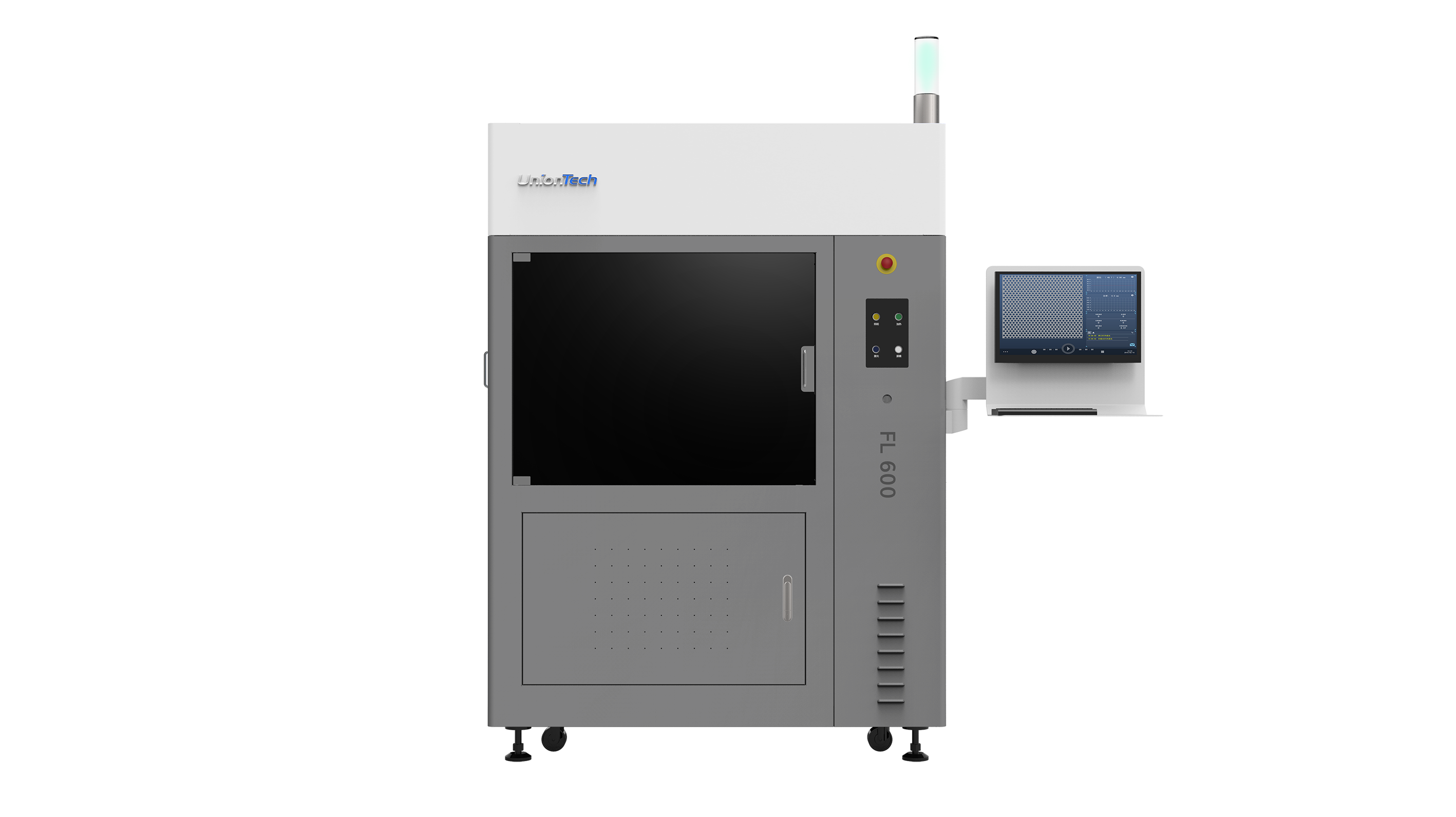
stereolithography 3d printer setups often inherit legacy habits: we print at the same exposure settings across part types, ignore subtle resin temperature shifts, and accept the extra hours of manual post-curing as inevitable. Technical reality: a fixed exposure strategy can undercure thin walls and overcure fine features, leading to dimensional drift. I ran a controlled trial in December 2019 on a UnionTech RSPro 600 in Shenzhen — I changed layer exposure by 8% for thin-walled dies and saw dimensional variance drop from ±0.25 mm to ±0.09 mm. Not dramatic-sounding? The downstream result was fewer reworks and a 22% drop in inspection time per batch.
What exactly goes wrong on the line?
First, support structures: many teams overbuild them “just in case,” which increases post-processing and surface blemishes. Second, post-curing practices are inconsistent — uneven post-curing racks and variable LED intensity produce different Young’s modulus across the same batch. Third, data collection is weak: we lacked edge computing nodes or simple loggers to monitor resin temperature and power converters feeding the curing lamps. These are not sexy fixes. They are measurable. When I added a basic temperature log and enforced a post-cure checklist in Q1 2021 at a medium-volume job shop, scrap fell 12% and first-pass yield rose noticeably. Mind you, that improvement came from small ops changes — not a machine fleet replacement.
Forward Look: Case Example and Practical Outlook for Scaling
Case example: a contract manufacturer in Eindhoven I advised in late 2022 wanted to switch from short-run injection molding to additive for small complex housings. We evaluated throughput, material costs, and finishing time across three setups and compared industrial grade 3d printers for reliability and service. Using a mix of lower-viscosity resins for fine detail and hardened resins for functional parts, we matched performance targets while cutting lead time by 28% on average. The secret? Process repeatability — consistent build platform leveling, controlled resin temperature, and standardized post-curing routines. I’ll be direct: those process controls — not an extra laser — made the conversion viable.
What’s next for teams thinking about scale? Adopt modular checks: daily bed-level logs, weekly resin viscosity samples, and quarterly calibration of post-cure chambers. Small investments in measurement tools (a handheld viscometer, a thermal logger) repay quickly. Also, prepare your operators: I ran two half-day workshops in June 2023 in Rotterdam and saw operator-induced variance drop by half after simple training on support placement and part orientation. This is practical work — incremental, measurable, sometimes tedious — but it moves the needle.
Three Metrics I Use to Evaluate a Production-Ready SLA Rollout
1) First-pass yield rate within specified tolerances over 50 consecutive builds. If you can’t maintain consistent yield across 50 builds, you’ll suffer unpredictable cost spikes. I logged this metric in July 2021 for a pilot line and used it to justify a $12,000 shop-floor upgrade.
2) Total touch time per part (minutes from print-end to packed). Track and reduce this by optimizing support removal and post-curing; a 30% reduction here often beats a 10% raw print-speed increase.
3) Material waste percentage per month. Measure resin loss from failed prints and cleaning solvents; when I tracked this in Shenzhen, reducing waste from 9% to 6% saved one mid-range project about $9,000 over six months.
I prefer practical, verifiable measures. They tell you when to invest in a new machine, when to tweak process parameters, or when to retrain staff. And one last note — operator buy-in matters. I still remember a skeptical lead operator who, after we standardized a simple post-cure rack layout, said: “I wish we did this months ago.” That comment mattered more than any chart.
Closing Advice and How I Help Clients Decide
Summarizing lessons learned: control the variables you can — resin temperature, exposure settings, support design, and post-cure routines — and measure outcomes in simple, repeatable ways. For anyone buying or scaling with industrial SLA equipment, focus on the three metrics above and on the real costs of inconsistent processes. I routinely advise clients to pilot a single line for 60 days using these exact checks before committing to fleet purchases.
If you want a starting point, I recommend evaluating machines and service ecosystems together. Reliable local service, consumable availability, and clear calibration documentation matter more than a small advertised speed edge. For teams I consult with, that pragmatic filter is often the deciding factor. For hands-on reference or to see credible product options, check UnionTech — they are one of several vendors I’ve worked with directly on integration projects. (I’ve done site work there and elsewhere; specific field visits inform these suggestions.)
