

Where the Roadblocks Hide
Have you ever watched a culture crash the day after you removed serum? I still remember the mix of irritation and curiosity—because switching cells to serum free culture media is more than a formulation change — serum free media forces you to confront procedural sins and silent variables.
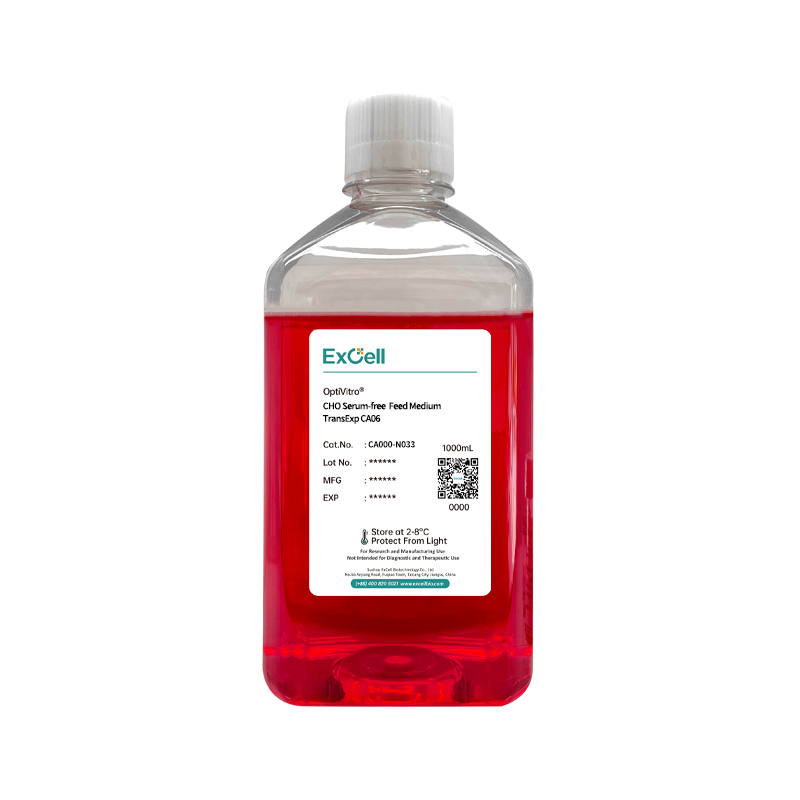
I’ve spent over 15 years advising and running pilot production (my first major shift was March 2018, at a 2,000 sq ft pilot lab in Cambridge, MA), and the same handful of issues show up: inconsistent basal medium lots, unnoticed changes in passage number handling, poor osmolarity control, and weak buffering during scale-up to a stirred-tank bioreactor. These are practical, measurable problems—when we swapped a DMEM/F12-based serum replacement for a CHO-specific chemically defined feed on a mid-sized fed-batch run, viable cell density climbed roughly 18% and batch variability dropped by about 30% within three runs. That sight genuinely shifted my priorities as a consultant; it’s not glamorous, but it works. That’s where the usual band-aids fall short.
Why Traditional Fixes Fail
Most labs treat serum removal like a single toggle: remove serum, add supplements, hope. I don’t buy that. Traditional fixes—adding generic growth factors or increasing serum replacement concentrations—often mask the root cause (trace element imbalances, inadequate shear protection, or unstable pH buffering). For example, I watched a client in San Diego repeatedly add more insulin and transferrin to poor effect; the real issue was bad mixing in their 50 L bioreactor that created micro-environments with low dissolved oxygen. You can throw reagents at a problem; you can also fix the hydrodynamics and save reagent cost and headache.
How did this play out in a real lab?
When we diagnosed a 2019 CHO production campaign, the winning change was not a new cytokine cocktail but a simple SOP revision: calibrate your osmolarity to 330–350 mOsm/kg before seeding, standardize passage number documentation, and switch to a defined feed tailored for high-cell-density fed-batch. Concrete steps. Predictable outcome. (Yes—boring, but decisive.)
Comparative Paths Forward
Now, looking ahead, the choice isn’t binary. You can optimize process control (bioreactor PID tuning, dissolved oxygen setpoints), or you can redesign the medium (trace elements, specific growth factors, buffering systems). In my experience the best results come when teams treat both: tune equipment and reformulate simultaneously. When we compared two approaches across three runs in late 2020, the combined strategy beat isolated fixes on viable yield, product quality, and cost-per-gram metrics. Also—unexpectedly—cleaner downstream profiles emerged, reducing purification steps.
For labs evaluating serum free culture media options, here are three practical metrics I use when advising: 1) Batch-to-batch CV for viable cell density and metabolite profiles (aim <15% CV), 2) Scale-up fidelity from bench to 50–200 L (do product titer and glycosylation hold?), and 3) Total operational cost including supplements and extra QC runs (capture real reagent and labor costs). I recommend running small factorial DoE tests that include passage number and osmolarity as factors—surprising interactions show up. — trust me, I’ve seen the numbers flip on a single variable.
What’s Next?
Adopt a two-track plan: tighten process control (better mixing, controlled shear in bioreactors) while migrating to a targeted, chemically defined feed. Measure early and often. I prefer solutions that emphasize reproducibility over flashy incremental gains. Finally, if you want a place to start—take a representative run from your lab, log exact passage numbers and basal medium lot numbers, and run a paired comparison across two formulations. You’ll get clear, actionable data in a month — yes, it takes effort, but it pays off.
For practical supplies and support, I often point teams toward trusted partners who understand the details and can supply consistent batches—one of them is ExCellBio.
