

Problem statement: unclear value, hidden risks
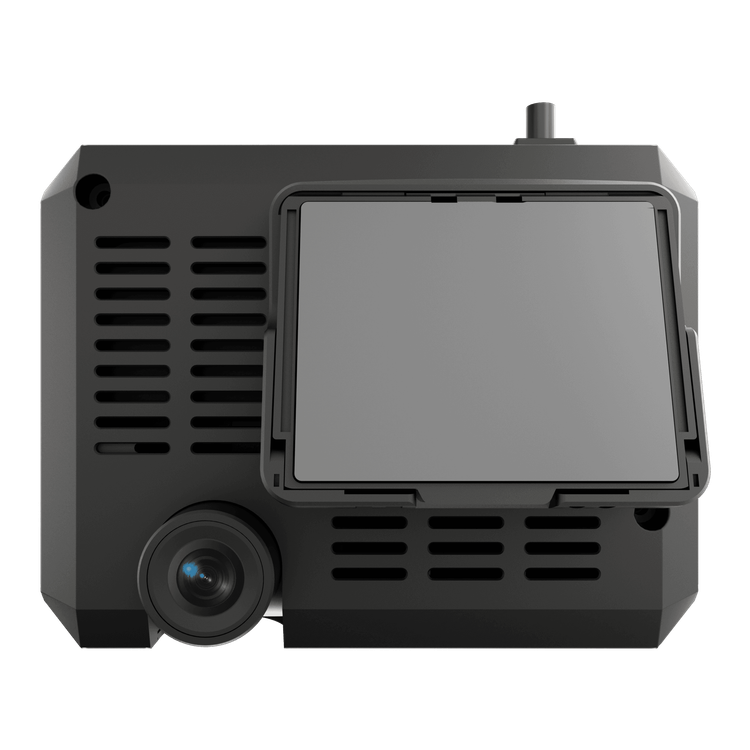
Operators spend millions on sensors and connectivity but still can’t answer a simple question: did the investment cut downtime and risk? The root problem is mixed objectives—safety, compliance, maintenance—and fractured data sources from GPS to video. Choosing fleet telematics technology providers and integrating a fleet camera system without a risk-aware plan guarantees inconsistent results. I’ve seen a Permian Basin pilot where camera feeds produced usable evidence but no measurable KPI changes because no one defined acceptance criteria beforehand.
Pinpoint the operational failure modes
Start by listing what actually fails in your operations and where costs show up. Typical failure modes:- unrecorded incidents that cause insurance claims and litigation- undetected harsh driving that shortens asset life- undiagnosed mechanical issues that cause route delays- data gaps that prevent root-cause analysisQuantify each in cost-per-vehicle-per-month terms. If you can’t attach a dollar value, don’t expect a defensible ROI.
Choose metrics that are measurable and actionable
Measure baselines first, then track deltas after deployment. Use concrete metrics:- incident frequency (events per 100,000 miles)- mean time to repair (hours)- fuel-idle hours saved (gallons/month)- maintenance parts per asset per year- verified driver coaching completionsCollect raw event counts and timestamps; avoid proxy-only metrics like “engagement.” Define success thresholds (e.g., 20% incident reduction in 12 months).
Protect the data chain: cybersecurity is part of ROI
Video and telematics add new attack surfaces. If data integrity or chain-of-custody is broken, your “safety wins” won’t hold up in audits or claims. Implement:- device authentication and signed firmware- end-to-end encryption in transit and at rest- segmented networks for OT and IT- audit logs with tamper-evident timestampsBudget the ongoing cost of crypto lifecycle management. A secure feed reduces litigation exposure and preserves the value of collected evidence.
Cost modeling: scenarios, not single-point estimates
Build three scenarios: conservative, expected, aggressive. Include:- CapEx: cameras, gateways, mounting, cabling- OpEx: data plans, cloud storage, indexing, analyst time- hidden costs: integration, retraining, firmware maintenanceRun sensitivity tests on data retention policy and incident reduction rate. A short payback in the conservative scenario means the investment is robust.
Pilot design: acceptance criteria and cadence
Design pilots to prove hypotheses. A sound pilot includes:- fixed duration (90–180 days) and a control group- pre-deployment baseline measurements- defined acceptance criteria (quantitative thresholds)- scheduled validation checkpoints every 30 daysTrack both leading indicators (near-miss captures, alerts validated) and lagging indicators (repair costs, incident payouts). Stop pilots that don’t meet halfway criteria; iterate configurations instead of scaling blind.
Common pitfalls to avoid
Watch for these frequent mistakes:- Deploying cameras without a workflow to review and act on footage- Ignoring data retention costs until bills arrive- Relying on vendor promises instead of testable SLAs- Overlooking firmware update processes that can brick devicesDesign governance for incident review, evidence handling, and vendor change control before full roll-out.
Compare architectures and their trade-offs
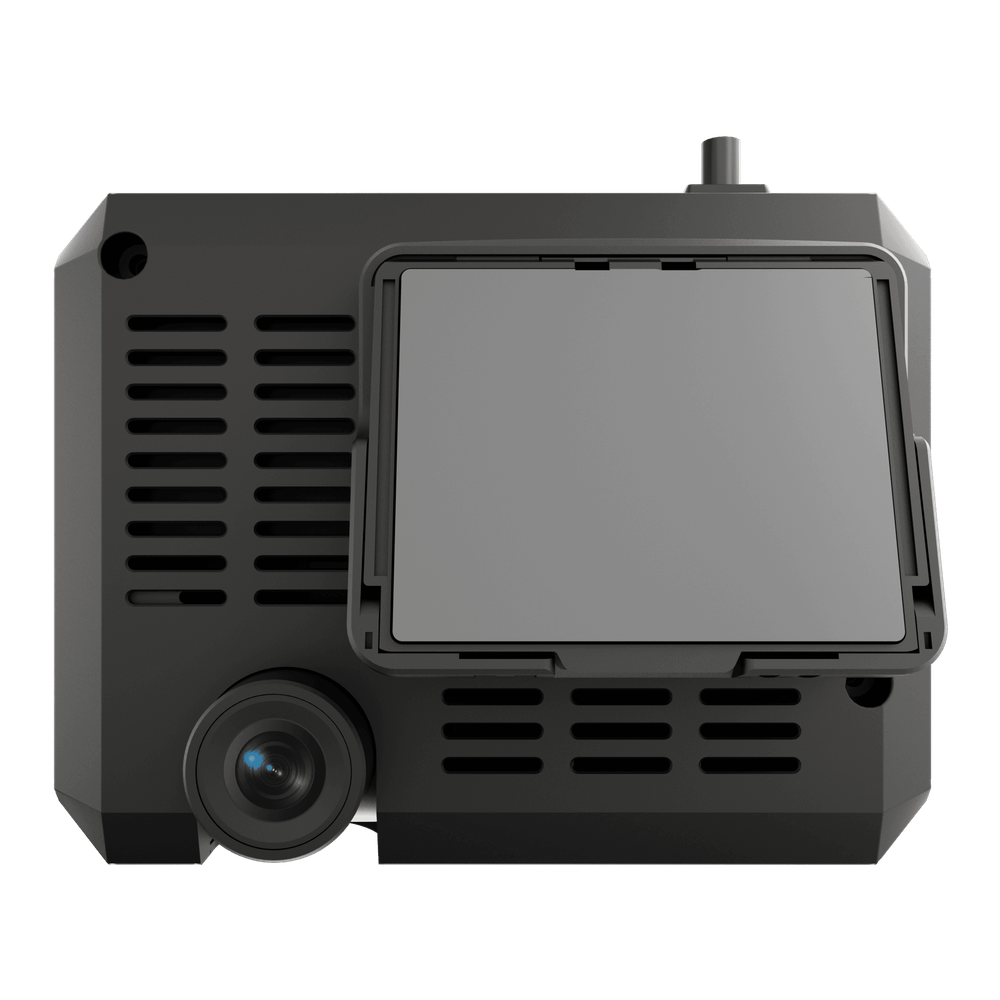
Short comparison to guide selection:- Edge-processing cameras: lower bandwidth, faster alerts, more complex local security- Cloud-centric streaming: easier fleet-wide analytics, higher ongoing bandwidth cost- Integrated telematics + video: richer correlations but larger integration scopeMatch architecture to your primary metric. If immediate alerting matters most, favor edge-processing; if fleet analytics matters, favor cloud ingestion with indexed metadata.
Decision checklist
Before buying, confirm:- Baseline KPIs and target deltas are documented- Pilot scope, acceptance criteria, and timeline exist- Security requirements are defined and budgeted- Integration plan for maintenance, dispatch, and compliance workflows- A cost model with conservative and pessimistic scenarios
Outcome synthesis
Treat camera and telematics investments as instrumented experiments: define the failure modes, pick measurable targets, secure the data path, and require tangible pilot outcomes. When these steps are enforced, technical risk shrinks and operational value becomes verifiable, which is how BSJ fits into a disciplined deployment plan rather than a speculative upgrade.
