

Introduction — What’s Really Happening on the Shop Floor?
Ever wondered why a line of motors that looked perfect yesterday suddenly starts failing quality checks this week?
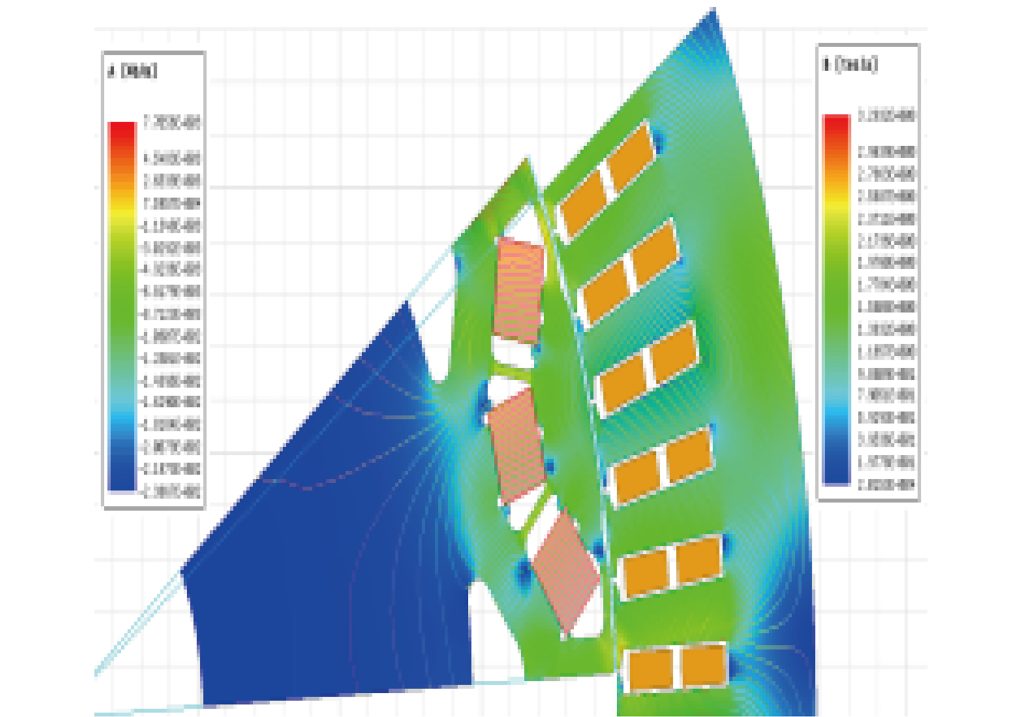
I see this all the time: a surge in rejects, a creep in energy draw, and the scramble to blame the last supplier (or the operator). An electric motor manufacturer faces real pressure when mean time between failures drops and warranty claims rise — and we have data that shows up to 18% variation in torque output across supposedly identical units. That gap matters. It hits yield, service intervals, and customer trust. So what do we do with the numbers we already collect?
Here’s the scenario: machines streaming telemetry, PLC logs stacking up, and test benches that spit out thousands of datapoints per shift. Yet teams still rely on manual checks and gut calls. Why? Because turning streams into clear action is messy — especially when you juggle torque ripple, thermal management, and field-oriented control in the same sentence. I’ll walk you through the problem, the places solutions usually break, and where we can push forward. — funny how that works, right?
Next, I’ll dig into why conventional fixes miss the mark and what hidden pains are quietly bleeding budgets and morale.
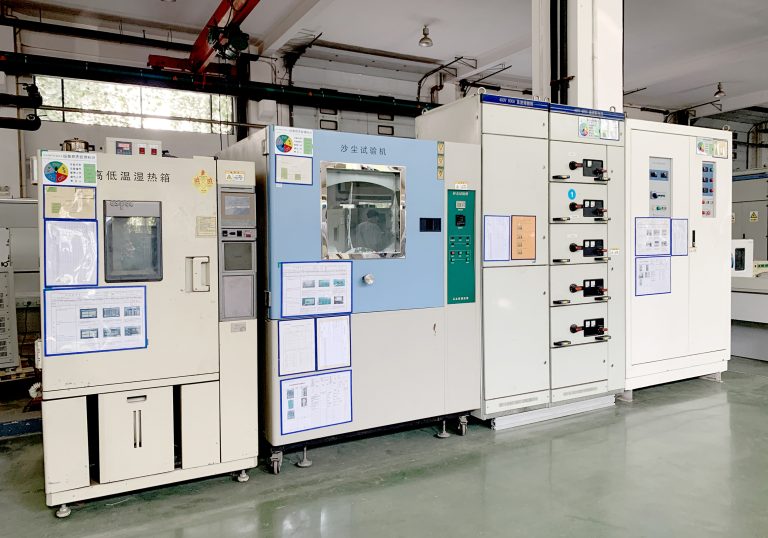
Why Current Fixes Fall Short (and What That Reveals)
electric motor manufacturers often layer tools — vibration sensors, bench testers, and ERP alerts — and expect the system to self-heal. In practice, it doesn’t. Data is siloed, timestamps won’t match, and root-cause hunts take days. I’ve been in those late-night problem sessions; we chase symptoms, not causes. The result: repeated downtime, missed SLAs, and frustrated technicians.
What’s the root problem?
Technically, a few factors repeat: poor sensor calibration, lack of synchronized timestamps across edge computing nodes and test benches, and handoffs that throw away context. We see misreads that look like electrical faults when they’re actually thermal lag or incorrect power converters. Look, it’s simpler than you think — but only if you change what you measure and how fast you act.
Two quick examples. First, a plant that relied on batch sampling missed a gradual increase in bearing temp because the sampling window skipped the early-morning ramp. Second, teams without a single source of truth re-tested parts multiple times, driving throughput down. Both problems trace back to process visibility and poor data alignment. Fix those, and you stop firefighting and start preventing.
New Principles for Moving Forward — Practical Tech and Metrics
Now let’s shift forward: what should we build into the next phase? I propose three practical principles: unify context, push analytics to the edge, and prioritize explainable alerts. For boat motor manufacturers like the ones I work with, these ideas aren’t abstract — they cut warranty cost and speed time-to-market. (They also make service calls less awful.)
What’s Next — Real steps, not buzzwords
Unify context: tag every datapoint with a production-run ID and environmental snapshot. Push analytics to edge computing nodes so you catch transient spikes in torque ripple or current draw before they become rejects. Prioritize explainable alerts so mechanics see “bearing temp trend + rising phase current” rather than a cryptic fault code. These are small flips, but they change decisions.
Case example: a mid-size workshop added lightweight ML at the edge to detect early thermal drift. They cut rework by 22% in six months — real savings, visible on the floor. I want to be clear: these are not magic. They require discipline in data hygiene, investment in smart sensors, and a bit of retraining. — and yes, some patience, too.
Before you choose a path, here are three evaluation metrics I always recommend tracking: 1) Mean time to detect (MTTD) — how fast you spot an anomaly; 2) Fault-to-fix time — how long it takes from alert to corrective action; 3) Yield delta post-intervention — the measurable change in good units per shift. Use those and you’ll see the impact in dollars and uptime. For practical support and proven solutions, consider checking Santroll: Santroll.
