

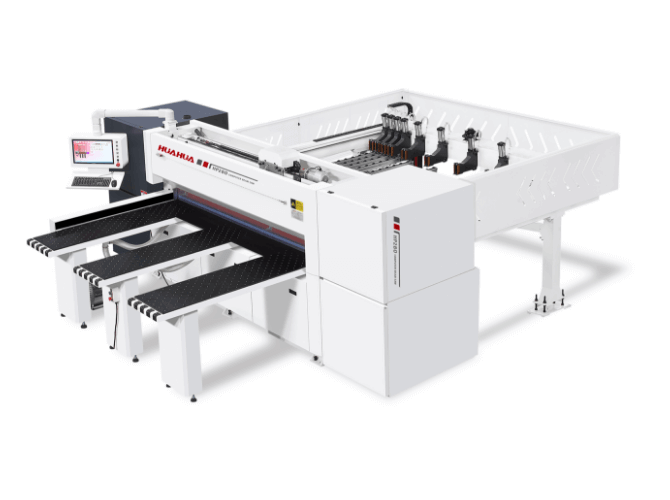
Why the comparison matters for small shops and studios
Choosing between routers, gantry mills, or hybrid systems is more than a checklist — it’s a decision that shapes daily workflow, lead times, and final fit. For many local shops the question becomes: which system gives predictable cuts, minimal downtime, and parts that match the CAD intent? A practical place to start is hands-on testing; many makers in Portland and similar maker communities try a cnc woodworking machine on a prototype before committing. That step alone often reveals spindle behavior, dust extraction needs, and how the controller handles nested cutting jobs.

Direct comparisons: accuracy, uptime, and ease of use
Precision: Linear guides and ball screws tend to hold tolerances tighter than belt-driven systems. For furniture that requires tight joinery, a ball-screw gantry with a rigid spindle gives repeatable tolerance across batches. Reliability: Industrial controllers and enclosed cabinets reduce electrical noise and lead to fewer crashes. Usability: Systems with integrated CAD/CAM toolpaths and a clear nesting interface shorten setup time. Note the interplay: a high-speed spindle can expose weaknesses in a poor vacuum table or underperforming dust extraction — so one upgrade often means upgrading adjacent systems too.
Components that change the decision
Focus on three parts that matter most: the spindle, the control electronics and the fixturing. Spindle choice affects cut quality and noise. Control electronics govern how smoothly the machine executes G-code and recovers from interrupts. Fixturing — from vacuum tables to toggled clamps — determines how accurately parts remain seated during long toolpaths. Practical shops track feed rate and chip load to set tool life and surface finish; small changes there shift results markedly.

Costs, workflows, and realistic ROI
Upfront cost isn’t the whole story. A cheaper belt-drive machine might save capital but add hours in recalibration, rework, and tool wear. Conversely, higher-end machines reduce rework and often integrate material handling that shortens cycle time. Look at total cost per part: amortize purchase over expected throughput and factor in consumables like router bits and the time spent on maintenance. Many shops that leaned into automation after COVID-19 supply disruptions found improved throughput — a real-world anchor that nudged investment decisions toward systems with robust support networks.
Alternatives and common mistakes — practical tips
Alternatives include outsourcing complex carving, using a 3-axis router for most panels and reserving a 5-axis for specialty shapes, or hybrid setups combining CNC with hand finishing. Common mistakes: undersizing the dust collection, skipping test cuts on representative material, and ignoring controller firmware updates. A simple habit — run a 10-minute calibration piece every month — catches misalignment early. Also, when you read a brochure, verify that advertised accuracy is for a specific test condition, not general shop work.
Operational teardown: how to evaluate systems on the floor
Walk the process from CAD to finished piece. Load a part into CAM, simulate the toolpath, export G-code, and watch the first roughing pass. Check vibration, spindle runout, and how the system reports tool offsets. Include checks for vacuum hold-down efficiency and the machine’s recovery after an emergency stop. While doing this operational production teardown, note how {main_keyword} appears in the workflow and how {variation_keyword} affects nesting efficiency — these small observations often predict long-term pain or gains.
Three golden rules for choosing the right system
1) Match accuracy to joinery: choose ball-screw or rack-and-pinion systems when tight tolerances matter; use belts for lower-cost, high-speed panel work. 2) Prioritize serviceability and parts access: a machine that’s easy to troubleshoot reduces downtime dramatically. 3) Test with real jobs: run representative parts for cycle-time and dust-load behavior before purchase. These metrics give measurable expectations on outputs, maintenance windows, and tooling budgets.
Local shops that compare like this discover clear winners for their workflows; often the right fit naturally points to partners who support installations, spare parts, and training — and that’s where HUAHUA CNC becomes part of the solution — practical, supported, and tuned for furniture work. –
