

Introduction — a shop floor morning
I was at a small workshop last winter, watching a machinist nurse a machine back to life after a long weekend. The routine was familiar: test cuts, fiddling with feeds, and a prayer that the next part would come out within tolerance. CNC vertical machining center manufacturers have heard this story many times; they see the same bottlenecks in user reports and service logs. Data from local shops suggest that many small operations run machines at 60–75% of their theoretical capacity due to setup delays, tool change inefficiencies, and operator downtime (simple facts, not drama). So I kept asking myself: how do we make these centers genuinely easier to use for a busy shop — and not just in glossy brochure talk?
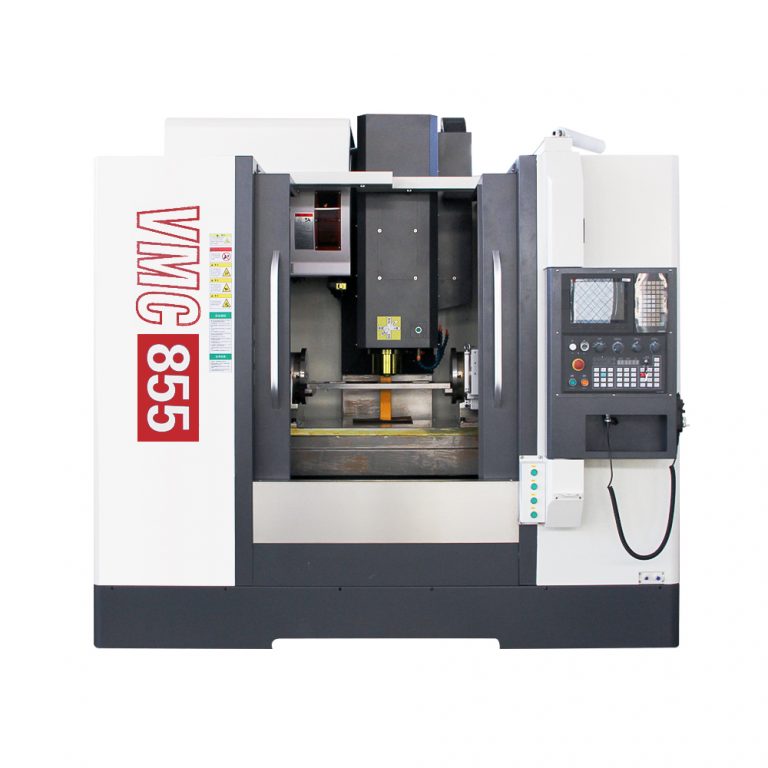
I want to speak plainly — as someone who has stood beside operators and argued over spindle speed choices — because the answers are practical. We will look at real pain points, technical fixes, and what I think matters when you pick a machine for everyday use. Ahead, I’ll break this down step by step. Let’s move on to what really frustrates users.
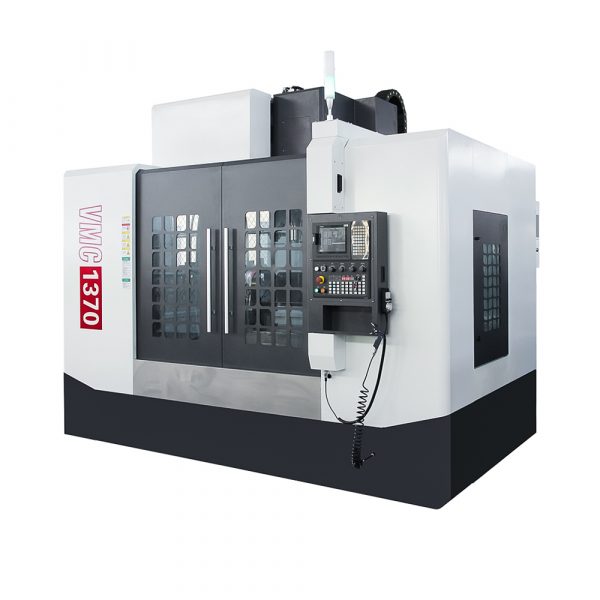
Where small vertical machining center setups fail
small vertical machining center is often the heart of a modest shop. Yet, despite its promise, many shops face recurring flaws that chip away at productivity. First, setup and fixturing are time eaters; a job that should take 20 minutes can take an hour because of imprecise jigs and poor repeatability. Second, control-to-hardware mismatches — like sluggish tool changer cycles and unclear feed override behavior — add to idle time. I’ll be frank: the gear sometimes feels over-engineered for what the shop needs. Look, it’s simpler than you think — fix the basics and you get immediate gains.
Why does this keep happening?
Technical reasons are often at the root. Older controls have clunky user interfaces and limited macro routines, so G-code tweaks must be manual. Inconsistent spindle speed control and weak servo motors lead to chatter and inaccurate cuts. Tool management systems may not track life cycles well, so operators replace tools too early or too late. And then there’s human flow: shift handovers often lack documentation, so the next operator spends precious minutes re-establishing offsets. These are the hidden grind points that quietly shrink margins.
Looking forward — practical fixes and what to watch
When we shift from complaint to action, new technology principles help — but only the useful ones. Modern control logic that simplifies setup macros, improved tool changer sequencing, and predictive maintenance signals (yes, condition monitoring) can cut non-cutting time noticeably. A mini cnc machining center like those now available can introduce better ergonomics and simpler control layouts that match the operator’s mental model. I’ve seen shops adopt dashboards that show real-time tool life and spindle load — and they changed behavior almost overnight — funny how that works, right?
What’s next for small shops?
Semi-formal planning matters. I recommend three practical evaluation metrics before you buy or upgrade: 1) Effective uptime — measure real cuts per shift, not just powered-on hours; 2) Setup-to-production time — time from job arrival to first good part; 3) Operator learning curve — how long before a new operator runs the machine at acceptable speed and quality. Use these to compare machines and controls. Also check for sensible features: easy-to-reach tool changers, clear jog controls, and reliable spindle bearings. And yes — consider after-sales support and spare parts flow — because a machine idle for days costs real money.
To wrap up, I keep returning to the same thought: solve the small things first. Better fixturing, clearer controls, and smarter tool tracking give outsized returns. We can get more from our CNC vertical machining centers by being pragmatic and deliberate. For shops exploring options, take a look at the product line from Leichman — I’ve followed their developments and found them worth considering for practical upgrades.
