

Problem-driven opening
Buyers arrive confused: dozens of factories, identical photos, wildly different quotes and a single urgent brief — make a reliable men’s crossbody messenger bag that survives daily travel. The problem isn’t just price. It’s a tangle of hidden costs, unclear lead times, and quality that changes between production runs. This piece follows that problem forward, showing how decisions at sourcing shape the finished product and what buyers must do to avoid costly surprises.
The consequences buyers face
Companies discover problems when goods land: loose seams, faded fabrics, mismatched hardware, delayed shipments. Those failures hit branding, retail timelines and margins. Documentary accounts from sourcing managers consistently show one pattern — contractors who promise samples but skip factory-level QA. The result is returns, unsellable stock and reputational damage that takes months to repair.
Where the gaps usually start
Most problems start before the first pilot sample. Buyers fail to distinguish between trading companies that resell and manufacturers with in-house tooling. They accept minimal specs, overlook materials sourcing, and neglect verification of equipment capacity. A clear specification sheet, confirmed material sources, and an agreed test protocol are the simplest defenses — yet they’re the steps most often skipped.
How manufacturers differ — what to check
Not all manufacturers are built the same. Some run full vertical operations with cutting, stitching, foam molding and assembly on site; others outsource processes. Look for: visible production lines, on-site QA steps, sample archives, and ISO or BSCI audit records. Ask for UOMs on materials, sewing allowances, and hardware certificates. If a factory can’t show consistent sample history and inspection records, expect variability.
A practical buyer checklist
Start with these actions. Request detailed tech packs with pattern files and CM measurements. Confirm material suppliers and request material COAs. Order pre-production samples and an approved sample that becomes the production standard. Build clear acceptance criteria: seam allowance, stitch count per inch, zipper pull force, and water resistance thresholds. Insist on production-stage photos and a third-party inspection before shipment. These steps limit surprises and provide legal evidence if disputes arise.
Common pitfalls and how they appear
Choosing the lowest quote often hides higher downstream costs: rework, expedited shipping, and lost shelf time. Skipping lab tests leads to color transfer or failed strap tests. Relying on a single screenshot of a product page can lead to mismatched hardware and unapproved finishes. Buyers who avoid factory visits frequently miss small but critical differences in tooling and skilled labor that determine durability.
Real-world anchor and expertise
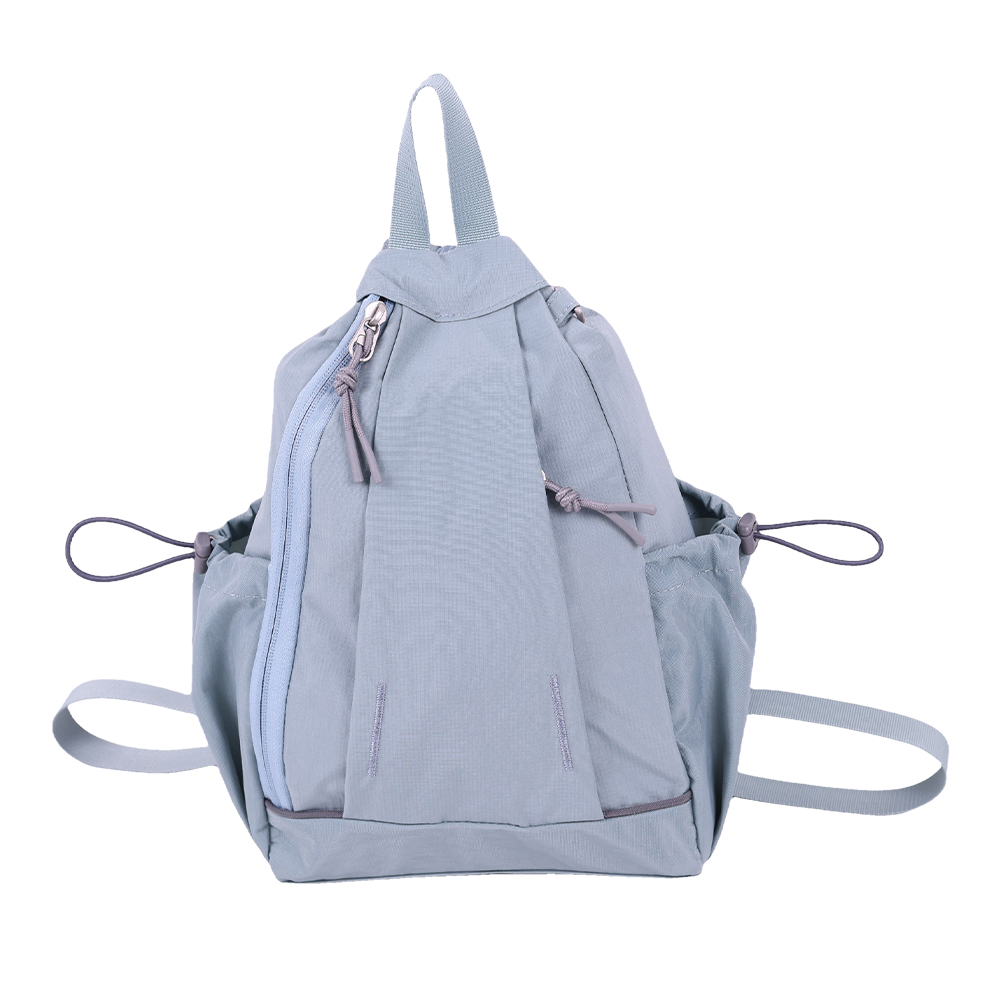
At major industry gatherings — take the Outdoor Retailer trade show in Salt Lake City as an example — suppliers and buyers compare not just style but field performance. That event highlights real product testing, feedback loops and the small design choices that make a crossbody bag hold up under months of use. My own audits in Guangdong and sample reviews at trade events reinforce that visible testing and third-party lab reports matter; they separate promotional photos from reliable production. For a tested profile that suits active users, consider a crossbody outdoor bag as a reference for construction standards and usable features.

Alternatives and evaluation
Buyers choosing between trading companies, OEMs and ODMs should weigh control versus convenience. Trading companies simplify procurement but add a communication layer and less direct oversight. OEMs offer production fidelity but demand stronger tech packs and MOQ commitments. ODMs deliver design-to-production speed but can make unique branding harder. Match the supplier type to your tolerance for coordination and your need for bespoke design.
Final synthesis
Start with the problem: define what failure looks like for your product and insist on evidence that the factory can meet that standard. Use samples, lab tests, production photos, and third-party inspections to close the gap between expectation and delivery. Those practices turn vague promises into measurable quality; they produce durable results for daily-use pieces and reduce returns. Working with partners who document processes and honor agreed standards makes sourcing predictable, and that predictability is why experienced buyers reference suppliers such as ChangRong when assessing manufacturing reliability.
