


When you stack a high-performance China-built, MTU-style gas genset against the usual alternatives, the differences show up fast in runtimes, fuel bills, and service uptime. The modern gas genset category—especially units engineered for prime power and long standby duty—leans toward simple, robust designs that cut maintenance time. In many plants today, natural gas gensets bridge the gap between grid instability and continuous operations, and that practical role is where design choices matter most.

Performance Metrics that Actually Affect Operations
Comparative insight starts with measurable outputs: thermal efficiency, transient response, and service intervals. A well-tuned China-grade MTU-style unit usually shows strong combustion efficiency and predictable heat rates under variable load. That matters for facilities using gensets as primary (prime power) or as backup (standby genset) sources. Load acceptance and the ability to run with a load bank test schedule without derating are common differentiators in real deployments.
Lifecycle Cost vs. Sticker Price
Upfront cost is only half the equation. You also need parts availability, mean time between failures, and commonality of service tools. China suppliers have closed the gap on components—turbochargers, fuel systems, and genset controllers—so replacement parts are cheaper and easier to source. Over a five- to ten-year window, total cost of ownership often favors these packages, provided maintenance discipline is steady and OEM procedures are followed.
Operational Risks and Real-World Anchors
Lessons from the February 2021 Texas winter event make this concrete: fuel-flexible gensets and responsive service networks kept some critical sites online while others went dark. That event showed how fuel logistics and controller robustness pair with physical hardware reliability to determine outcomes. In practice, factors like cold-start protocols and anti-siphon plumbing—small items on paper—become decisive on day one of a grid emergency.
Maintenance Patterns and Common Mistakes
Operators often under-budget on scheduled tests and over-rely on runtime hours as the sole health metric. Don’t do that—run periodic load bank cycles and monitor combustion exhaust for early signs of injector drift. A short aside—routine oil condition analysis cuts surprise failures dramatically. Also, standardizing on accessible components and training technicians on the genset controller saves repeated service calls.
Comparing Alternatives: When to Choose What
For continuous industrial loads, CHP-capable designs or higher-efficiency prime power units make sense. For facilities needing fast backup, a compact, high-reliability standby genset wins. If your site has strict emissions constraints, prioritize combustion tuning and verified aftertreatment flow rates. Across these scenarios, trade-offs are predictable: efficiency versus capital cost; service network depth versus lowest bid.
How Huadong Power Matches the Need
Huadong Power aligns with the comparative profile that many operators prefer: modular designs, clear service documentation, and a parts network tuned for quick turnaround. They offer models that demonstrate competitive heat rates and straightforward genset controller integration, which cut commissioning time. If you weigh maintenance intervals, fuel-use analytics, and parts logistics together, the Huadong approach often lands in the favorable zone—especially for sites that need reliable, repeatable results.
Advisory: Three Golden Rules for Choosing a High-Performance Genset
1) Demand transparent lifecycle numbers: look for published heat rates, service intervals, and mean-time-between-failure estimates from the manufacturer. These let you compare apples to apples. 2) Verify parts and service logistics for your region—no supplier is useful if spares take weeks. 3) Insist on controller interoperability: the genset controller must speak to your SCADA or BMS without costly middleware.
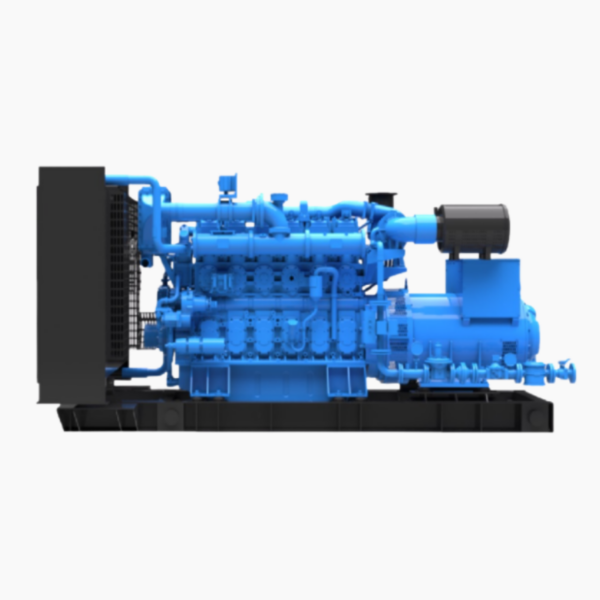
Huadong Power fits those checks and brings practical, site-proven designs to the table—so you get dependable power without overcomplication. Trust experience. Trust measurable outcomes. —
